 English
 Spanish
 French
 German
 Italian
 Chinese (Simplified)
 Japanese
 Korean
 Arabic
 Portuguese
Call us now
08045802161

 Send Inquiry
Air To Air Heat Exchanger
Price 15000 INR/ Unit
Air To Air Heat Exchanger Specification
- Temperature
- High-temperature
- Condition
- New
- Usage
- Industrial
- Structure
- tube Heat Exchanger
- Size
- Standard
- Voltage
- 220 Volt (v)
- Color
- Silver
Air To Air Heat Exchanger Trade Information
- Minimum Order Quantity
- 10 Units
- Payment Terms
- Cash Advance (CA)
- Supply Ability
- 500 Units Per Month
- Delivery Time
- 10 Days
- Main Domestic Market
- All India
Air To Air Heat Exchanger About
An Air-to-Air Heat Exchanger is designed to transfer heat between two air streams without mixing them. It is widely used for energy recovery, ventilation, and process air cooling/heating.
Platex India offers efficient air-to-air heat exchangers for industrial and HVAC applications, ensuring energy savings and improved air quality.
- Plate type air-to-air heat exchanger
- Finned tube air heat exchanger
- Heat pipe heat exchanger
- Rotary wheel (energy recovery wheel)
Heat Transfer Element
- Plates (aluminum / stainless steel)
- Finned tubes (for higher efficiency)
Air Flow Channels
- Separate ducts for hot and cold air
- Designed for maximum contact surface
Frame & Casing
- Mild steel / powder-coated / SS
- Insulated to prevent heat loss
Fans / Blowers
- Ensure proper airflow
- Can be axial or centrifugal
- Pressure Drop: Optimized for airflow
- Easy installation and maintenance
- Custom-built for specific applications
Advantages
- Reduces energy consumption
- Improves HVAC efficiency
- Environment-friendly operation
- Low maintenance
- Cost-effective solution
The Platex India Air-to-Air Heat Exchanger is a reliable and energy-efficient solution for air heat transfer applications. It ensures maximum heat recovery, reduced energy costs, and improved system performance, making it ideal for both industrial and HVAC applications.
Optimal Heat Recovery for Industrial Applications
Our Air To Air Heat Exchanger is engineered to optimize heat transfer in demanding industrial environments. With a tube structure and high-temperature tolerance, it ensures reliable performance and energy conservation. This system is an excellent choice for factories and processing units seeking to improve air quality and enhance operational efficiency.
Versatile Distribution and Comprehensive Support
We stand out as manufacturer, supplier, and wholesaler, offering the Air To Air Heat Exchanger across India. Backed by a strong service provider network, we guarantee timely delivery, product expertise, and after-sales support, making installation and maintenance effortless for our clients.
FAQ's of Air To Air Heat Exchanger:
Q: How does an Air To Air Heat Exchanger work in industrial settings?
A: An Air To Air Heat Exchanger transfers heat between incoming and outgoing air streams without allowing them to mix. In industrial environments, it utilizes the heat from exhaust air to warm fresh air, resulting in significant energy savings and improved ventilation.Q: What are the primary benefits of using a tube-type Air To Air Heat Exchanger?
A: Tube-type heat exchangers offer robust performance under high-temperature conditions, deliver efficient heat recovery, and maintain durability. These features help reduce operational costs and promote a safer, regulated indoor atmosphere.Q: When is the ideal time to install this heat exchanger in an industrial plant?
A: Installation is recommended during facility construction or during scheduled maintenance shutdowns. This ensures uninterrupted production and allows for optimal integration into the existing ventilation or HVAC systems.Q: Where can this Air To Air Heat Exchanger be sourced in India?
A: This product is supplied, exported, and distributed across India through an extensive network comprising manufacturers, traders, wholesalers, and dedicated service providers.Q: What is the process for commissioning and maintaining this heat exchanger?
A: After delivery, professional technicians install the unit and perform system checks to ensure proper setup. Regular maintenance includes inspection of tubes, cleaning surfaces, and monitoring connections for optimal heat transfer.Q: How can this unit be used to handle high-temperature air?
A: The exchanger is constructed with materials capable of withstanding elevated temperatures, making it suitable for processes that generate hot exhaust air. It efficiently manages and recirculates air without compromising system integrity.Q: What industries benefit most from using your Air To Air Heat Exchanger?
A: Industries such as manufacturing plants, processing facilities, and any workspace dealing with high-temperature exhaust benefit substantially from reduced energy usage, improved air quality, and regulatory compliance.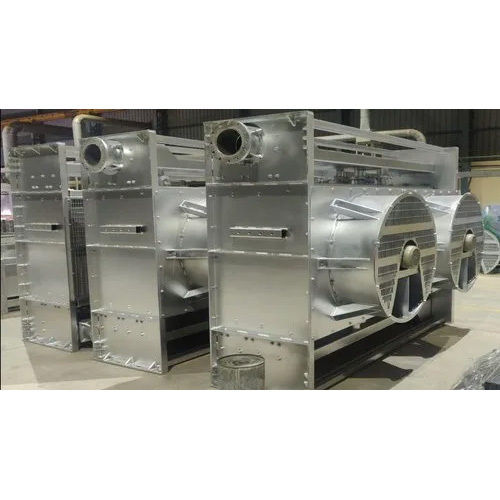

Price:
- 50
- 100
- 200
- 250
- 500
- 1000+

More Products in Industrial Heat Exchanger Category
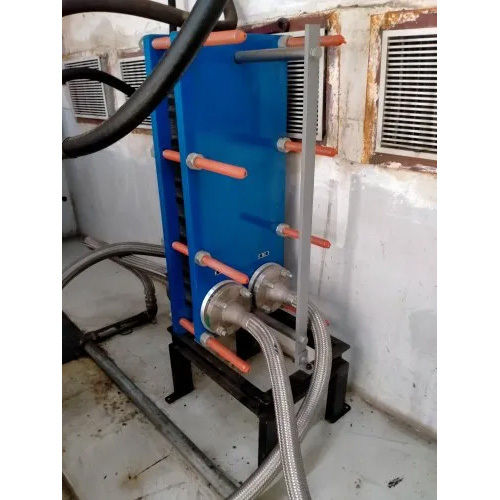
Chiller Heat Exchanger
Price 10000 INR / Unit
Minimum Order Quantity : 10 Units
Condition : New
Temperature : Hightemperature
Structure : tube Heat Exchanger
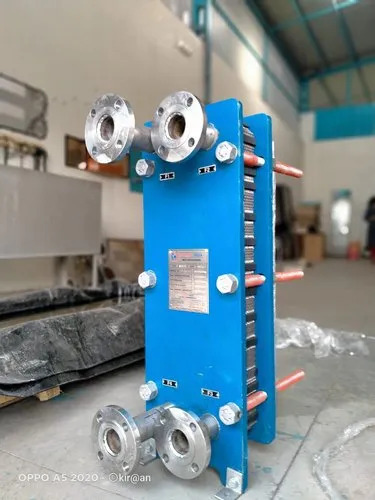
Alfa Laval Plate Type Heat Exchanger
Price 15000 INR / Unit
Minimum Order Quantity : 1 Unit
Condition : New
Max. Capacity : 3000 lph
Temperature : Other, 50 degree C
Structure : Other, Gasketed Plate
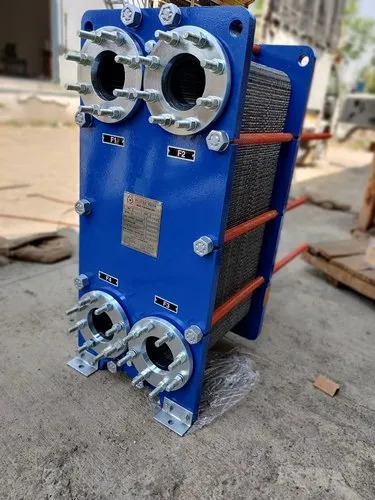
Kelvion Plate Heat Exchangers
Price 15000 INR / Unit
Minimum Order Quantity : 1 Unit
Condition : New
Max. Capacity : 0 to 100 m3/hr
Structure : Other, Gasketed Plate and Frame
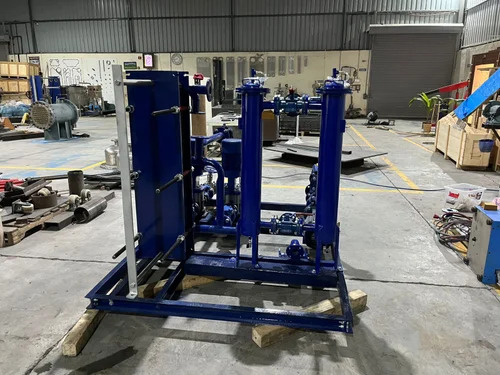
Plate Heat Exchanger (Phe) With Lubrication Skid
Price 1500000 INR / Unit
Minimum Order Quantity : 1 Unit
Condition : New
Max. Capacity : 20000 lph
Temperature : Other, 100 degree C
Structure : Other, Gasketed

GST : 27APIPM9670B1ZO

 Send Inquiry
- Evaporation Plants
- Shell And Tube Condenser
- Heat Exchanger Gasket
- Clean In Place System
- Evaporative Condenser
- Heat Exchanger Cleaning Service
- Heat Exchanger Installation Service
- Heat Exchanger Maintenance Service
- Heat Exchanger Repair Service
- Penetration Testing Services
- Water Treatment Plant
- Shell & Tube Heat Exchanger & Condenser
- Effluent Treatment Plant
- Industrial Oil Cooler
- Hot Water Generation System
- Milk Pasteurization Plant
- Acid Coolers
- Single Effect Evaporator
- Industrial Heat Exchanger
- Heat Recovery System
- Heat Exchanger Spare
 Send Inquiry
 Send SMS
Developed and Managed by Infocom Network Private Limited.

