 English
 Spanish
 French
 German
 Italian
 Chinese (Simplified)
 Japanese
 Korean
 Arabic
 Portuguese
Call us now
08045802161

 Send Inquiry
Aluminum Electric Heat Exchanger
Price 25100 INR/ Unit
Aluminum Electric Heat Exchanger Specification
- Temperature
- High-temperature
- Usage
- Industrial
- Condition
- New
- Structure
- tube Heat Exchanger
- Size
- Standard
- Voltage
- 220 Volt (v)
- Color
- Blue
Aluminum Electric Heat Exchanger Trade Information
- Minimum Order Quantity
- 10 Units
- Payment Terms
- Cash Advance (CA)
- Supply Ability
- 500 Units Per Month
- Delivery Time
- 10 Days
- Main Domestic Market
- All India
Aluminum Electric Heat Exchanger About
Platex India offers customized electric heat exchangers designed for industrial, HVAC, and process heating applications.
- Electric current passes through heating elements (resistance heaters)
- Heat is generated due to electrical resistance
- Heat transfers to aluminum fins/tubes or plates
- Air or fluid flowing over the surface gets heated
Construction Details
Heating Elements
- Material: Nichrome / stainless steel
- High electrical resistance
- Insulated and protected
Aluminum Heat Transfer Surface
- Aluminum fins / plates / tubes
- High thermal conductivity
- Ensures rapid heat transfer
Casing & Structure
- Mild steel / powder-coated / stainless steel
- Insulated body for safety and efficiency
Air / Fluid Flow System
- Fans or blowers for air heating
- Flow channels for liquid heating
Control Panel
- Temperature controller (thermostat / PID)
- Overheat protection system
- PLC-based automation (optional)
The Platex India Aluminum Electric Heat Exchanger is a compact, efficient, and eco-friendly heating solution. It provides precise temperature control, reliable performance, and low maintenance, making it ideal for modern industrial and HVAC applications.
Advanced Heat Transfer Solution
Crafted with high-quality aluminum, our electric heat exchanger ensures rapid and uniform heat distribution for industrial needs. Its tube structure enhances the surface area for efficient thermal exchange, perfectly suited for operations demanding consistent high-temperature performance.
Versatility Across Industries
Suitable for a wide range of industrial sectors, this heat exchanger seamlessly integrates into existing systems. Whether for cooling or heating applications, its adaptability and standard sizing make installation and maintenance straightforward for any scale of operation.
FAQ's of Aluminum Electric Heat Exchanger:
Q: How does the aluminum electric heat exchanger operate at high temperatures?
A: Designed with a tube heat exchanger structure, this unit efficiently manages high-temperature processes by circulating fluids through aluminum tubes, leveraging electric power at 220 Volt (v) for consistent heat transfer.Q: What are the primary industrial uses for this heat exchanger?
A: The heat exchanger is commonly used in manufacturing plants, chemical processing, power generation, and other high-temperature industrial environments where reliable temperature control is critical.Q: When should I consider installing a new aluminum electric heat exchanger?
A: Installation is recommended when upgrading existing systems that require improved energy efficiency, or when a reliable high-temperature solution is needed for new industrial processes.Q: Where can I purchase or service this electric heat exchanger in India?
A: As a distributor, exporter, importer, manufacturer, service provider, supplier, trader, and wholesaler, we offer sales, support, and after-sales service across India for this product, ensuring nationwide coverage.Q: What is the process for installing the electric heat exchanger?
A: Installation includes positioning the standard-sized unit within the industrial setup, connecting electrical inputs at 220 Volt (v), and integrating the fluid lines to the tube structure, typically performed by qualified technicians.Q: How does using this heat exchanger benefit industrial operations?
A: Employing this aluminum electric heat exchanger enhances energy efficiency, reduces downtime due to its robust design, and ensures consistent high-temperature performance, optimizing productivity and operational reliability.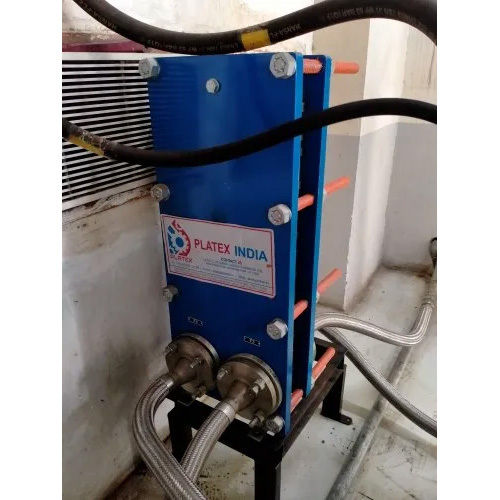

Price:
- 50
- 100
- 200
- 250
- 500
- 1000+

More Products in Industrial Heat Exchanger Category

Mild Steel Shell And Tube Heat Exchanger
Price 50000.0 INR / Unit
Minimum Order Quantity : 10 Units
Condition : New
Structure : Plate Heat Exchanger
Color : Blue
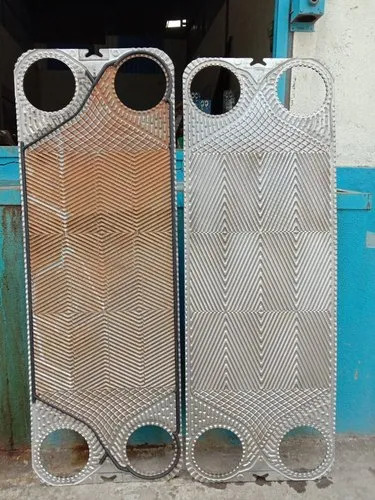
Plate Type Heat Exchanger
Price 10000 INR / Unit
Minimum Order Quantity : 1 Unit
Condition : New
Liquid Flow Rate : 100 m3/hr
Structure : Other, Gasketed plate
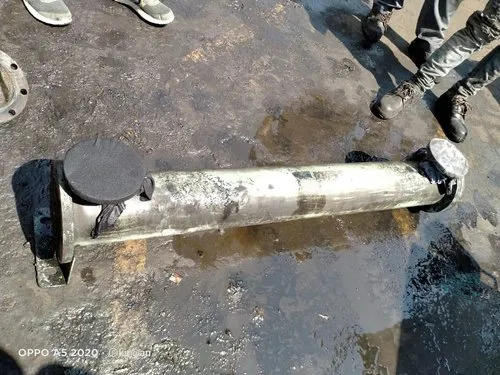
Shell & Tube Heat Exchanger
Price 5000 INR / Unit
Minimum Order Quantity : 1 Unit
Condition : New
Liquid Flow Rate : 10 lpm
Structure : Other, Shell and Tube
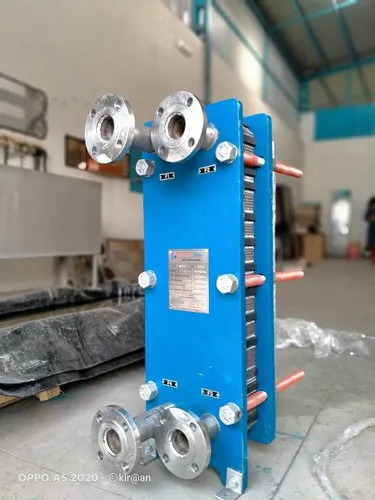
Tranter Heat Exchanger
Price 10100.0 INR / Unit
Minimum Order Quantity : 1 Unit
Condition : New
Liquid Flow Rate : 10100 m/h
Color : Blue

GST : 27APIPM9670B1ZO

 Send Inquiry
- Evaporation Plants
- Shell And Tube Condenser
- Heat Exchanger Gasket
- Clean In Place System
- Evaporative Condenser
- Heat Exchanger Cleaning Service
- Heat Exchanger Installation Service
- Heat Exchanger Maintenance Service
- Heat Exchanger Repair Service
- Penetration Testing Services
- Water Treatment Plant
- Shell & Tube Heat Exchanger & Condenser
- Effluent Treatment Plant
- Industrial Oil Cooler
- Hot Water Generation System
- Milk Pasteurization Plant
- Acid Coolers
- Single Effect Evaporator
- Industrial Heat Exchanger
- Heat Recovery System
- Heat Exchanger Spare
 Send Inquiry
 Send SMS
Developed and Managed by Infocom Network Private Limited.

