 English
 Spanish
 French
 German
 Italian
 Chinese (Simplified)
 Japanese
 Korean
 Arabic
 Portuguese
Call us now
08045802161

 Send Inquiry
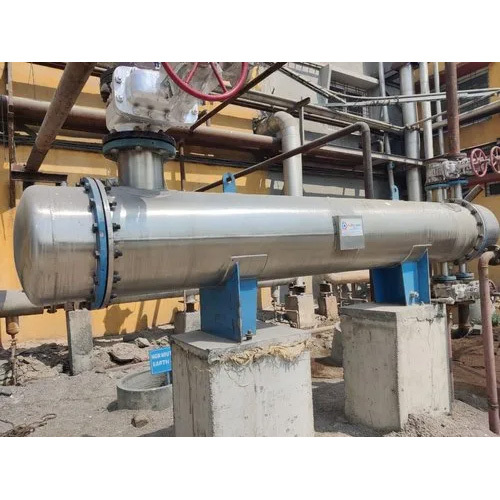
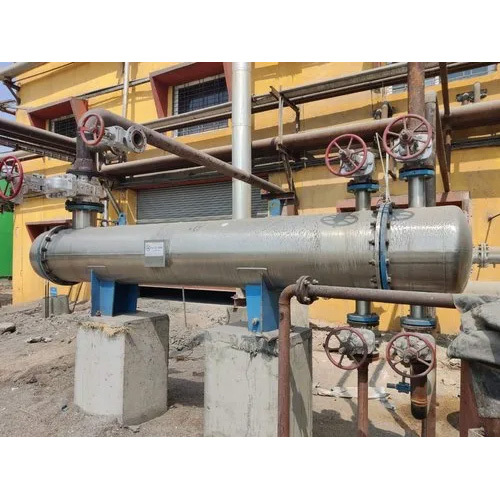
Stainless Steel Shell And Tube Heat Exchangers
Price 25100 INR/ Unit
MOQ : 10 Units
Stainless Steel Shell And Tube Heat Exchangers Specification
- Temperature
- High-temperature
- Condition
- New
- Usage
- Industrial
- Structure
- tube Heat Exchanger
- Size
- Standard
- Voltage
- 220 Volt (v)
- Color
- Silver
Stainless Steel Shell And Tube Heat Exchangers Trade Information
- Minimum Order Quantity
- 10 Units
- Payment Terms
- Cash Advance (CA)
- Supply Ability
- 500 Units Per Month
- Delivery Time
- 10 Days
- Main Domestic Market
- All India
Stainless Steel Shell And Tube Heat Exchangers About
Heat is transferred from one fluid to another using industrial equipment called Stainless Steel Shell And Tube Heat Exchangers. They are made up of several tubes that are encased in a spherical shell. One fluid circulates inside the tubes while the other surrounds the tubes exteriors in the shell. Through the tube walls, heat is transferred from one fluid to the other fluid. To get the doorstep delivery of our Stainless Steel Shell And Tube Heat Exchangers place your order now.
Superior Industrial Performance
Engineered for high-temperature operations, these stainless steel shell and tube heat exchangers excel in a variety of industrial settings. Their robust construction enables efficient thermal transfer while minimizing maintenance needs and downtime. Designed to meet the dynamic requirements of factories and processing plants, they ensure long-term reliability and top-tier operational performance.
Versatile and Industry-Compliant
Suiting the needs of manufacturers, exporters, and suppliers across India, these exchangers are made in standard sizes, easily fit industrial setups, and comply with safety and operational standards. Their adaptability and ease of installation make them the first choice for companies seeking both performance and convenience for their heat exchange solutions.
FAQ's of Stainless Steel Shell And Tube Heat Exchangers:
Q: How do stainless steel shell and tube heat exchangers function in industrial applications?
A: Stainless steel shell and tube heat exchangers function by transferring heat between two fluids-one flows through the tubes and the other around them within the shell. Their design promotes effective heat transfer, making them ideal for high-temperature processes in industrial settings.Q: What are the primary benefits of using stainless steel in these heat exchangers?
A: Using stainless steel offers advantages including high corrosion resistance, durability, and the ability to withstand extreme temperatures, ensuring a longer service life and reduced maintenance in harsh industrial environments.Q: When is it ideal to use a shell and tube heat exchanger over other types?
A: Shell and tube heat exchangers are preferably used when handling high-pressure and high-temperature fluids or when a large surface area for heat transfer is required, offering better thermal efficiency compared to plate or air-cooled types in such situations.Q: Where can these stainless steel heat exchangers be installed?
A: These exchangers are versatile and can be installed in diverse industrial environments such as chemical plants, food processing units, power generation, and pharmaceutical manufacturing facilities across India.Q: What is the process for maintaining these heat exchangers?
A: Routine maintenance includes periodic inspection of tubes, cleaning to remove scale or deposits, and checking for any leaks. The stainless steel construction simplifies maintenance, ensuring efficient and reliable operation over time.Q: How is the 220 Volt voltage specification significant for industrial use?
A: The 220 Volt configuration matches common industrial power supplies in India, facilitating easy integration into existing systems and ensuring consistent, safe operation of the heat exchangers.Q: What makes these heat exchangers suitable for distributors, manufacturers, and service providers?
A: Their standard sizing, reliable new condition, and compatibility with high-temperature applications make them a preferred choice for distributors, exporters, manufacturers, and service providers seeking quality solutions for their clients.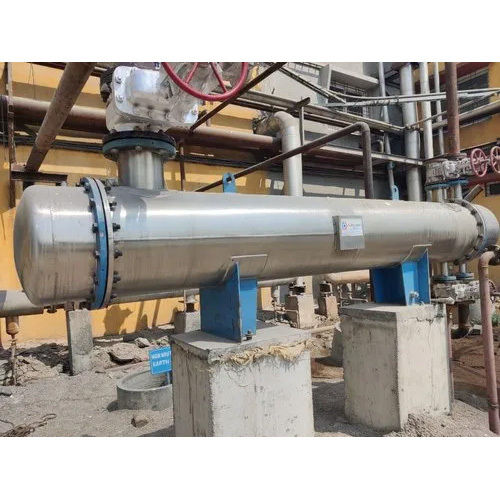
Tell us about your requirement

Price:
Quantity
Select Unit
- 50
- 100
- 200
- 250
- 500
- 1000+
Additional detail
Mobile number
Email

More Products in Industrial Heat Exchanger Category

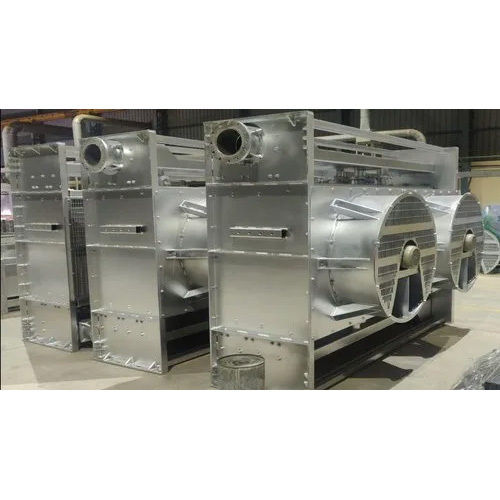
Aluminum Air Cooled Heat Exchanger
Price 25100 INR / Unit
Minimum Order Quantity : 10 Units
Structure : tube Heat Exchanger
Temperature : Hightemperature
Condition : New
Air To Air Heat Exchanger
Price 15000 INR / Unit
Minimum Order Quantity : 10 Units
Structure : tube Heat Exchanger
Temperature : Hightemperature
Condition : New
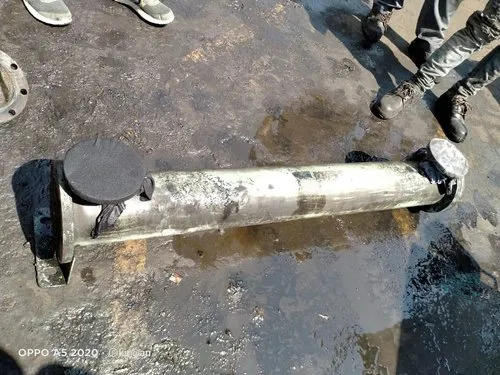
Shell & Tube Heat Exchanger
Price 5000 INR / Unit
Minimum Order Quantity : 1 Unit
Structure : Other, Shell and Tube
Temperature : Other, 30C (outlet), 50C (inlet)
Condition : New
Liquid Flow Rate : 10 lpm
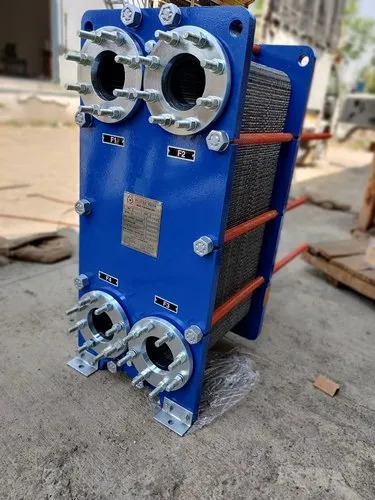
Kelvion Plate Heat Exchangers
Price 15000 INR / Unit
Minimum Order Quantity : 1 Unit
Structure : Other, Gasketed Plate and Frame
Condition : New
Liquid Flow Rate : 0 to 100 m3/hr

PLATEX INDIA
GST : 27APIPM9670B1ZO
GST : 27APIPM9670B1ZO
Gat No:1088, 2, Sudarshan Nagar, Village: Wadki, Tal: Havel, Pune - 412308, Maharashtra, India
Phone :08045802161
 Send Inquiry
- Evaporation Plants
- Shell And Tube Condenser
- Heat Exchanger Gasket
- Clean In Place System
- Evaporative Condenser
- Heat Exchanger Cleaning Service
- Heat Exchanger Installation Service
- Heat Exchanger Maintenance Service
- Heat Exchanger Repair Service
- Penetration Testing Services
- Water Treatment Plant
- Shell & Tube Heat Exchanger & Condenser
- Effluent Treatment Plant
- Industrial Oil Cooler
- Hot Water Generation System
- Milk Pasteurization Plant
- Acid Coolers
- Single Effect Evaporator
- Industrial Heat Exchanger
- Heat Recovery System
- Heat Exchanger Spare
 Send Inquiry
 Send SMS
PLATEX INDIA
All Rights Reserved.(Terms of Use)
Developed and Managed by Infocom Network Private Limited.
Developed and Managed by Infocom Network Private Limited.

